
Riding a Chinese bullet train is the easy part. You sit down, the train pulls out within seconds of its scheduled time, and a few hours later you step off in the middle of another city.
Booking the ticket is where foreign travelers lose hours and sometimes lose the seat entirely.
Most guides walk you through the signup screens. This one covers what actually goes wrong: the 15-day wall, the name mismatch, the rejected card, the wrong station. Each one has a workaround, and knowing them in advance is the difference between a smooth trip and a morning spent at a ticket window.
Disclosure: Some links in this guide are affiliate links. If you book through them, we may earn a small commission, at no extra cost to you. It does not change what we recommend or what you pay.
Why take the train at all
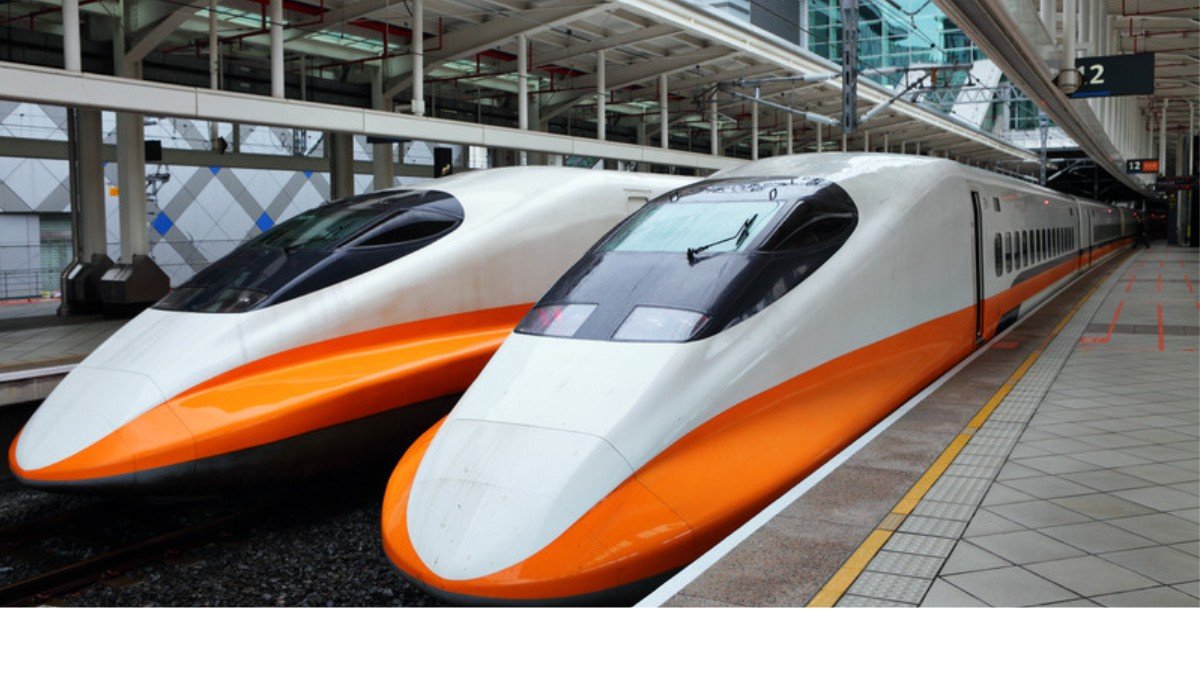
China operates the world’s largest high-speed rail network, with top speeds of around 350 km/h. Beijing to Shanghai is over 1,300 km and takes roughly 4.5 to 6 hours depending on the service.
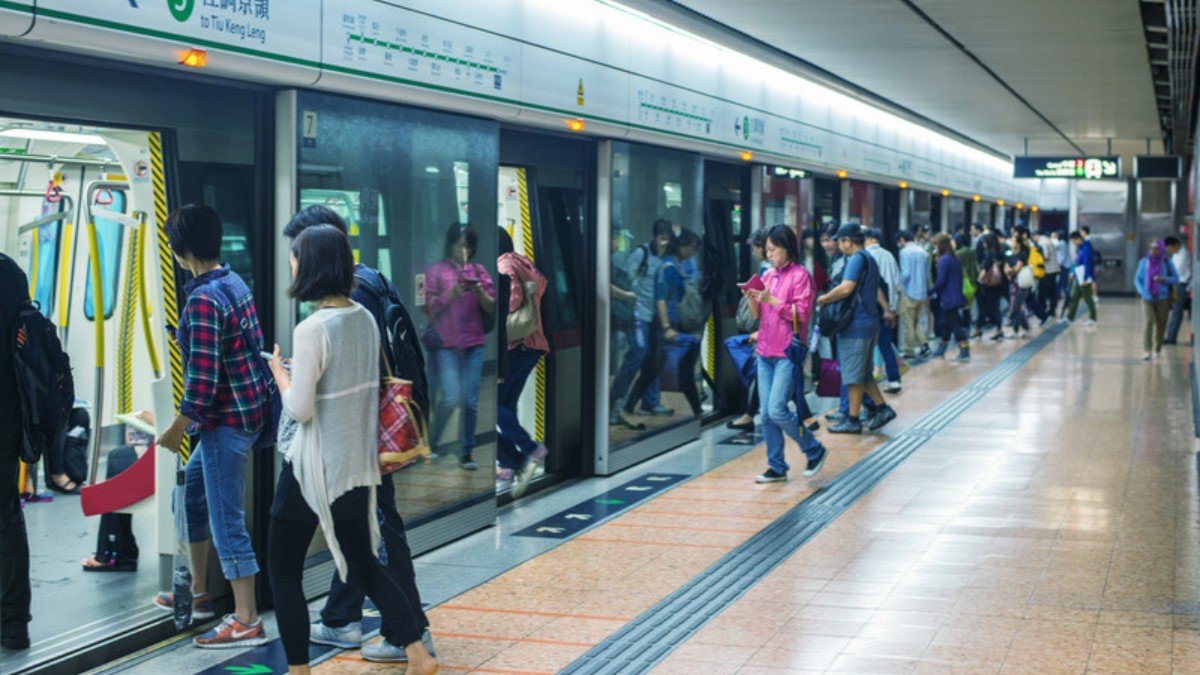
The bigger advantage is where the stations sit. Chinese rail stations are usually in or near the city center, with metro and taxi ranks right outside, while airports tend to be 40 to 50 km out. Once you add airport transfers and check-in, the train often wins outright on door-to-door time. Punctuality is also exceptional.
Problem 1: The 15-day wall
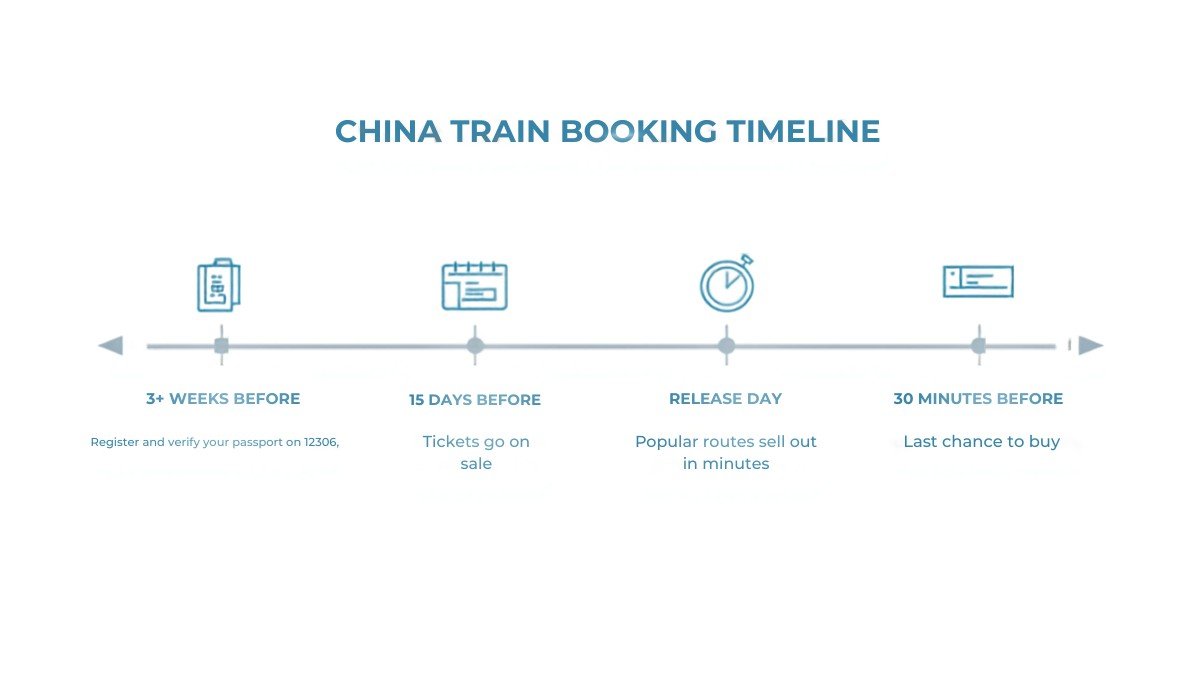
This is the one that wrecks itineraries. Chinese railway tickets normally go on sale 15 days before departure. Not three months, not sixty days. Fifteen.
Travelers who plan a trip to China four months out routinely find they cannot lock in a single train. On popular routes and around holidays, seats can disappear within minutes of being released.
You can buy right up to about 30 minutes before departure if seats remain, which is useful for flexible travel but no help at all for planning.
The workaround
Third-party platforms accept a reservation before the railway opens sales, then attempt to issue the ticket automatically the moment it becomes available. Trip.com allows this up to roughly 60 days ahead. You are not buying a ticket early; you are queueing for one. But on a fixed itinerary, it removes the need to set an alarm for the release time.
Problem 2: The name mismatch
Every Chinese rail ticket is tied to a passport number, and the name on the booking has to match the passport exactly. This is the single most common cause of failed bookings for foreign travelers.
Names with hyphens, multiple surnames, accented characters, or several middle names are where it breaks. A booking that looks fine can still fail verification later.
- Use the passport scan or autofill option where offered instead of typing your name manually.
- Enter your name exactly as it appears in the machine-readable zone of your passport.
- If a mismatch appears, it usually has to be corrected at a staffed ticket window. Build time in for that rather than discovering it on departure morning.
Problem 3: Verification takes longer than you think
The official booking channel is China Railway’s 12306 app and website, which has an English version. Registration requires identity verification with your passport.
Most passports verify automatically within minutes. Foreign names commonly fail the automatic check and are routed to manual review, which requires uploading a passport photo and a selfie. China State Railway indicates that this normally takes three to five working days, but can take up to two weeks during busy periods.
Do this weeks before you fly, not the night before your first train. Verification is the step most likely to quietly cost you a booking window.
Problem 4: The card gets rejected
The English 12306 platform accepts international bank cards, but payment rules shift, and rejections are common enough that you should not find out at the last minute.
Test a booking from home while you still have alternatives. If your card is refused, a third-party platform with foreign-card checkout is the usual fallback.
At physical station windows, assume international cards may not work at all. Carry Alipay or WeChat Pay set up in advance, or RMB cash.
Problem 5: You booked the wrong station
Large Chinese cities have several mainline stations that are not close to each other. Shanghai Hongqiao is a different station from Shanghai Railway Station. Beijing has multiple. Getting this wrong can mean an hour across the city.
Before you confirm, check the exact station name on the ticket and how far it is from where you are staying. A cheaper train from an outlying station is often not cheaper once you add the taxi.
Reading the train codes: G, D, and C
The letter before the train number indicates which train you are boarding.
| Code | Type | Typical speed |
|---|---|---|
| G | Fastest high-speed service | Up to 350 km/h |
| D | Slower high-speed service | Around 250 km/h |
| C | Short intercity service | Varies, short hops |
| T, K, Z | Older conventional trains | Much slower, often overnight |
If your search results show a wildly cheaper option that takes three times as long, you are almost certainly looking at a T, K, or Z service rather than high-speed rail.
Which seat class to book
- Second class. Perfectly comfortable for most journeys, arranged with three seats on one side and two on the other, separated by an aisle. This is what most people book.
- First class. Two and two are sitting with noticeably more space between them. Worth the upgrade on anything over about five hours.
- Business class. Lie-flat seating on the fastest services, at a price close to flying.
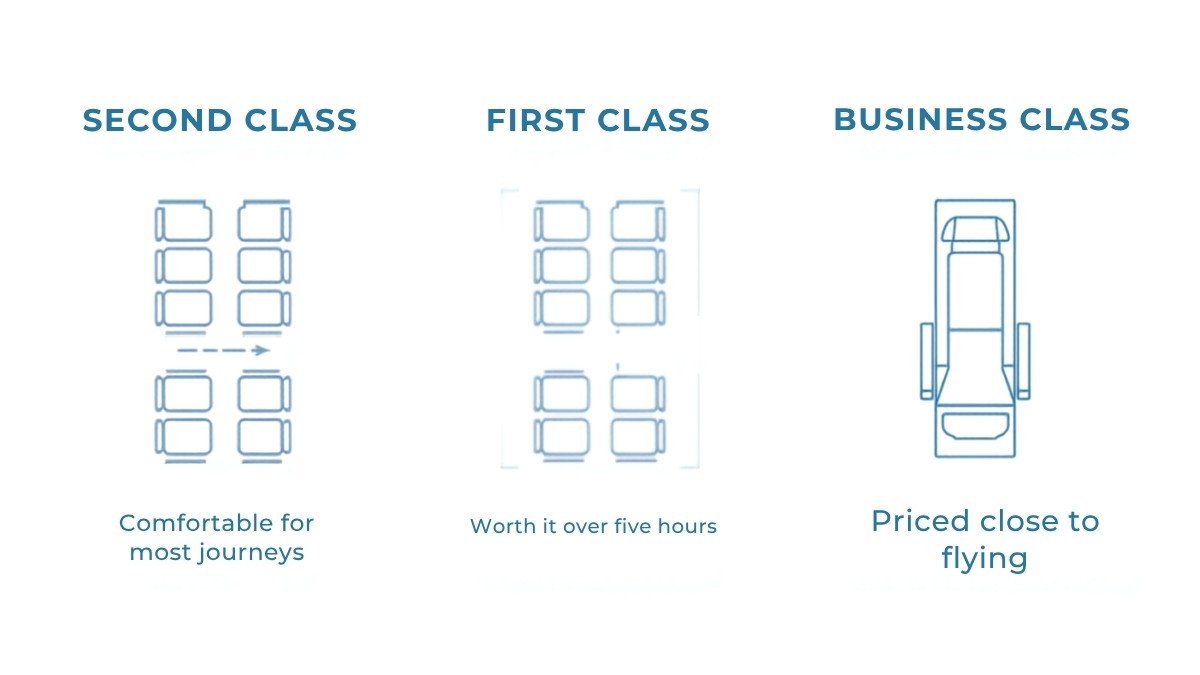
One thing to know: seats are generally assigned by the system rather than chosen. If you are traveling as a group and want to sit together, add all passengers to the same booking.
At the station on the day
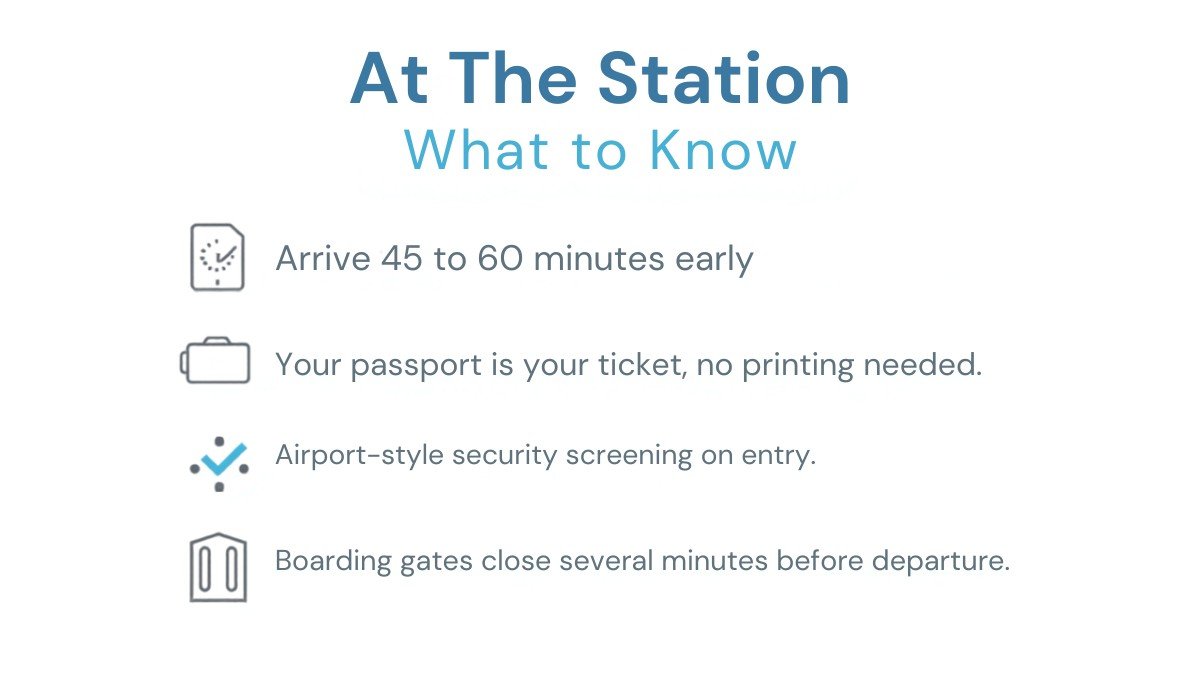
Chinese rail stations are built on an airport scale, with identity checks and security screening before you reach the waiting hall. Arrive 45 to 60 minutes before departure. Boarding gates close several minutes before the train leaves, and they close firmly.
You do not need a paper ticket. Your passport is the boarding credential: you scan or present it at the gate. Keep a screenshot of the booking with the train number and seat as a backup for finding your platform, but the passport is what actually gets you through.
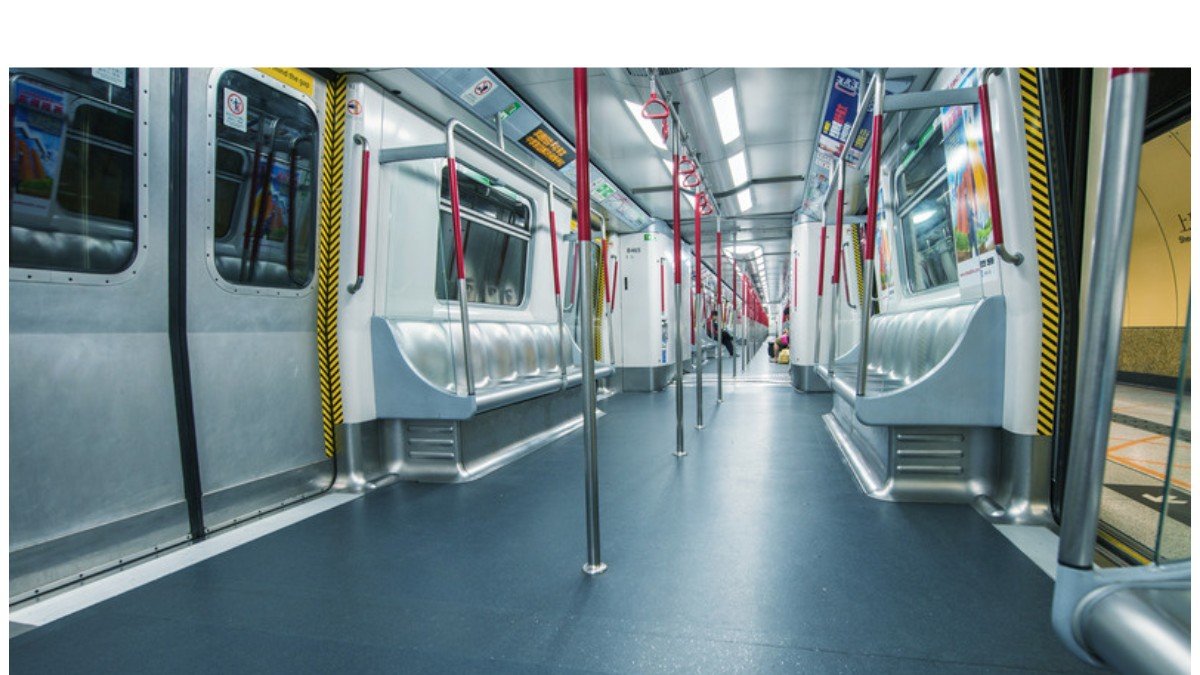
On board, there is a snack trolley and a free hot water dispenser in every carriage. Bringing your own food is completely normal, and most passengers do.
Dates to avoid if you possibly can
Tickets on major routes can sell out almost immediately around Chinese New Year, the Labor Day holiday in early May, National Day in early October, and the summer school holidays. If your travel falls in these windows, treat the ticket release moment as a hard deadline and have a backup route in mind.
12306 or a booking platform?
| Official 12306 | Third-party platform | |
|---|---|---|
| Booking fee | None | Roughly 10 to 30 RMB per ticket |
| English interface | Yes, with rough edges | Generally smoother |
| Identity verification | Required up front | Passport details entered at booking |
| Before the 15-day window | Not possible | Advance reservation available |
| Foreign card payment | Supported but inconsistent | Built for it |
The honest answer: if you have time before your trip and patience for the verification process, 12306 is the official channel and costs nothing extra. If your dates are fixed, your route is popular, or you are booking more than 15 days out, the service fee buys you a reservation system and a checkout that reliably accepts foreign cards.
Changes and refunds
Some changes are free, while moving a ticket to certain later trains can trigger a fee of 5%, 15%, or 40%, depending on timing and the replacement service. The platform shows the fee before you confirm, so check it. If your plans have changed substantially, compare the change fee against simply refunding and rebooking, because a change is not automatically the cheaper option.
Quick answers
Can foreigners book on 12306?
Yes. The English site and app accept foreign passports, and you register with an email address.
Do I need a Chinese phone number?
Not on the English platform. Registration works with an email address.
Do I have to collect a paper ticket?
No. Travel is by e-ticket, and you present your passport at the gate.
Is there a China rail pass?
No. There is no unlimited-travel rail pass equivalent to the ones sold in Japan or Europe. Every journey is booked individually.
How early should I arrive?
45 to 60 minutes, more at the largest stations or during holiday periods.
Booking rules, fees, and payment options change. Verify current details on the official 12306 platform or your booking provider before you travel.
Pingback: The Pre-Trip Checklist: What to Sort Before You Fly